


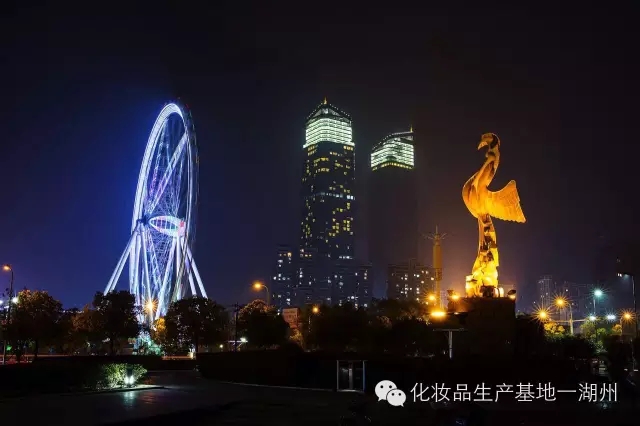
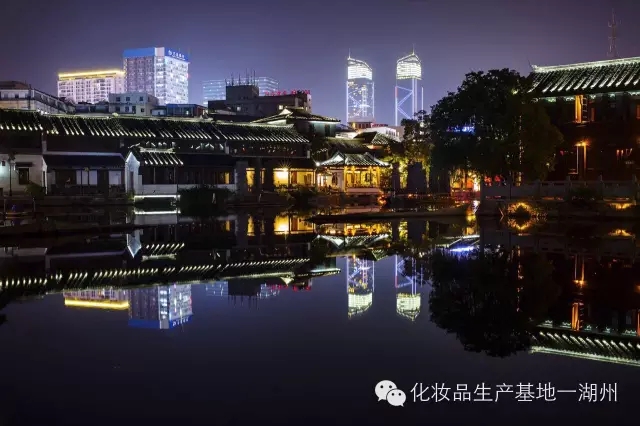
Because of the work relationship, often in the cosmetics production base and the financial center of northern Zhejiang through between. Cosmetics production base is located in Huzhou Wuxing District DAIXI Town 104 National Road, while the financial center is located in the center of Huzhou City, one of the world's top ten tall buildings in the Twin Towers, occasionally in the mood, back to the city will take a walk on the countryside highway, through the Gaisun flowers blooming Miaoxin line, through DAIXI, MiaoXi, DaoFang and other townships. For an ancient city with more than 2300 years of history, this journey is like a dreamy and poetic walk through the city.
The mountains are heavy and the rivers are heavy and the waters are heavy again at Daixi-
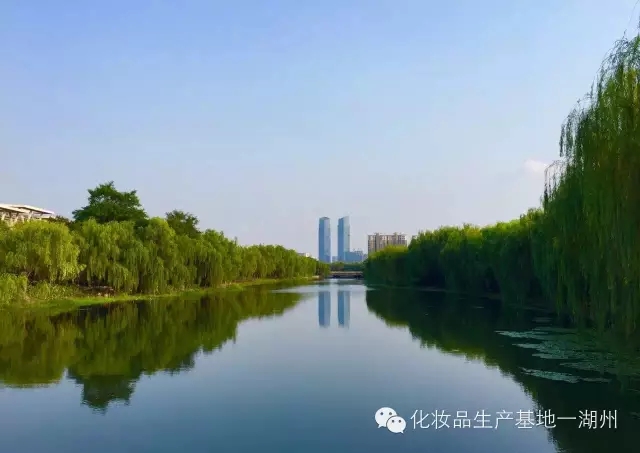
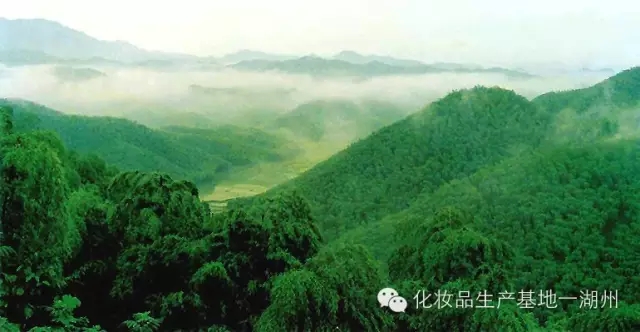
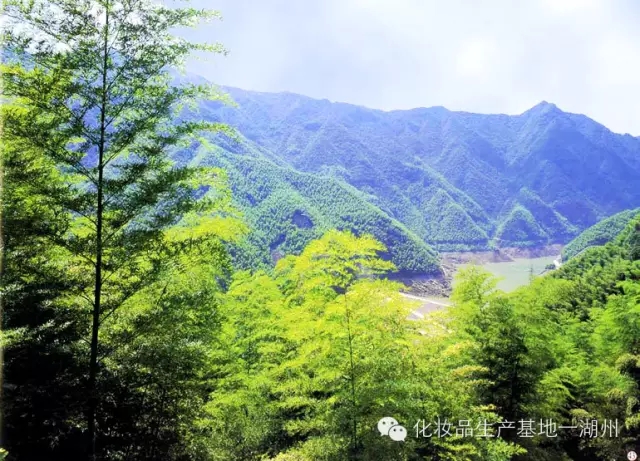
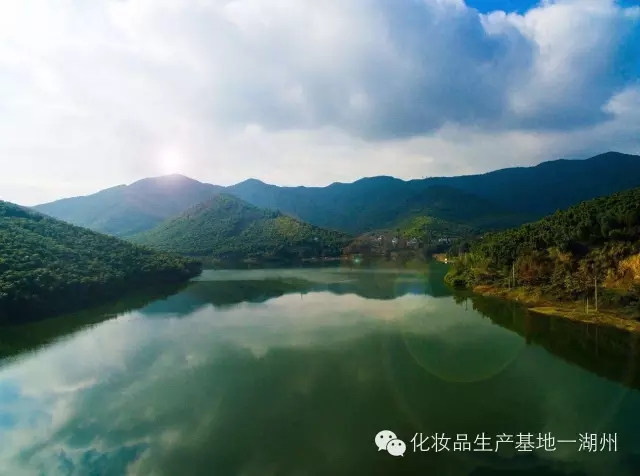
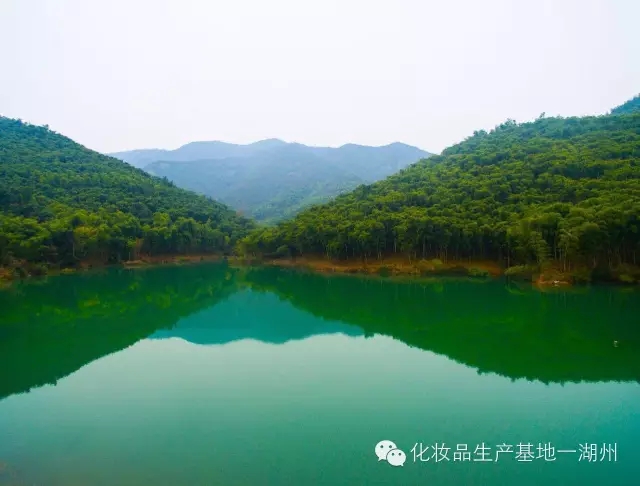
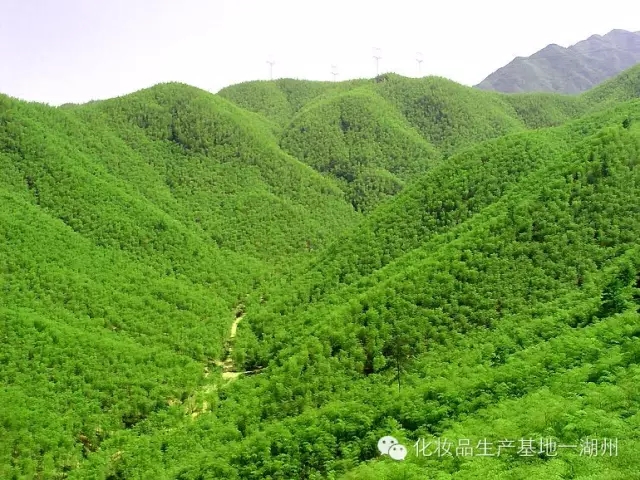
Located in the mid-mountainous area, Daixi is rich in landscape resources and has a forest coverage rate of over 70%. From the Neolithic Yingpan Mountain ruins, to the "Pearl of Northern Zhejiang" and the Huzhou people's large water tank Tiger Pool Reservoir, the town is nourished by the beauty of its mountains and water.
Xia Gudan, a Ming dynasty man, used poetry to describe Dailxi: "Water mirror under the green hills, deep and clear can do nothing about it. Evergreen invades willow color, first class is autumn waves." Walking through the beautiful scenery of the mountains and forests, all the way to the distant mountains, swaying bamboo forests, lush saplings, the air is exceptionally fresh. The green hills are flowing with springs and full of greenery, and the nature of the semi-mountainous area makes Taixi unique in its natural beauty.
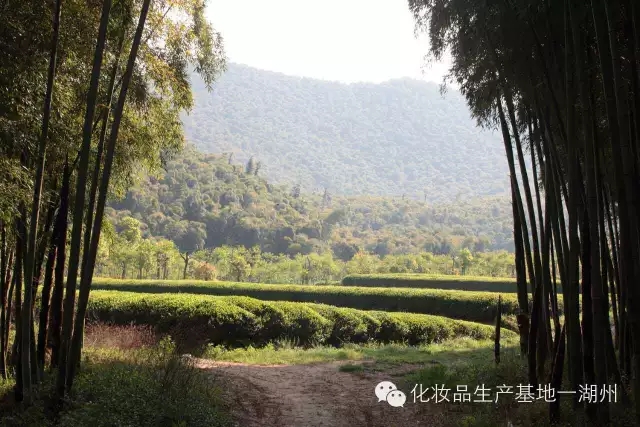
Since Lu Yu was born in the world, the world has been learning about spring tea...
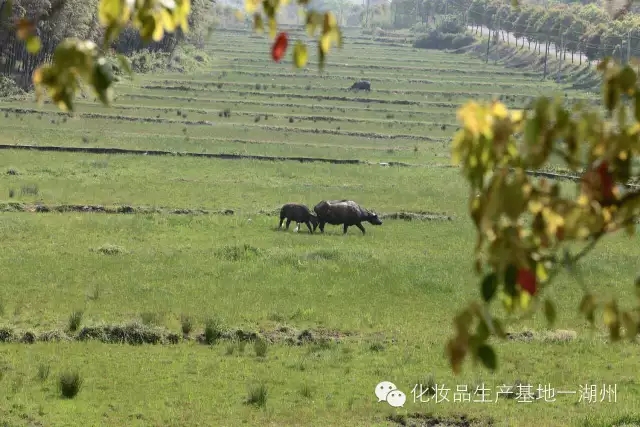
On the way to the loom, the mountains of bamboo, the tea gardens, and the nearby forests and streams were the places where Lu Yu, the sage of tea, used to fetch water to make tea. Especially a small slope called Loom Mountain is the place where Lu Yu and his friend Jiao Jiao Ran tasted tea and wrote books.
Lu Yu to write the "tea scriptures", footprints all over the north and south of the Yangtze River, involving the present 14 provinces and 156 counties and regions. And make everywhere, read the mountain countless Lu Yu attachment to the land of Wu Xing, and eventually live in this 40 years to complete the world's first tea culture masterpiece, its mysterious charm is no small feat!
Ling Mengchu, a writer of the Ming Dynasty, wrote in his poem "Excursion to Mount Loom": "Autumn is going to twilight, the clouds are clear. The guest is feeling lonely and happy to go to the mountains. Interfering with the state of the loom, the boat is being used as a boat. The master carries his tools, and the earthenware jars (pronounced the same as thunder) are both full." He and his friends had a picnic in autumn and took a ride on a boat, enjoying the scenery along the way, such as the dawn moon in a cultivated village, the ancient fragrance of a bookstore, drinking horses and flowing clouds, and the high autumn of a summer curtain.
Sky Lake Stirring Appreciation XiaMu--
The overlapping mountains in front of the mountain range hides the first peak of Wuxing--Xia Maku Mountain. XiaMeng Mountain belongs to the Tianmu mountain range, 10 square kilometers, elevation 408 meters. The Ming "Wu Cheng County Zhi" contains: "Fifty miles southwest of the county, by the high rugged path up, you can see the Tai Lake, the mountains are under, like clouds and cloud re-curtain, so the name XiaMeng Mountain."
If the Miaohi Temple in Loom Mountain is the holy place where Lu Yu completed the "Tea Sutra", then the Cheonghuam at the top of Ha Maku Mountain is the birthplace of Korean Buddhism.
It is said that the Buddhist roots of Mt. Ha Maku are deep, and more than 700 years ago, the Buddhist Rinzai Zen priest Seokya Seongeong built three Cheonghakam (Southam, Middleam and Northam) on the mountain and practiced there for more than 40 years. In 1347, Goryeo Zen monk Tae Poh Woo came to Huzhou in search of knowledge and studied under the 76-year-old Seok Uk Cheong Gung. After he returned to Goryeo, he became a master of the Rinzai sect in Korea.
After drinking the horse and walking through the vicissitudes...
At the exit of the Miaoxin Line towards Huzhou is the Yongmachi Mountain, which is shaped like a Yuanbao and is high and steep from east to west. The two mountains are connected, with a peak rising up in the middle. It is also known as the Kangwang Spring (before Zhao Jijang was crowned king of Kangwang). It is recorded that this mountain seems to pass through the spirits of immortals, and is often viewed as a place where the clouds steam and the sky appear, hence the name "Drinking Horse and Flowing Clouds.
In October 1127 (888 years ago), Zhao Gaozong (ninth son of Emperor Huizong and younger brother of Emperor Qinzong) fled from Shangqiu, Henan Province to Yangzhou under the pretext of moving the capital. After his military defeat in Yangzhou, he fled southward via Nanjing to escape the Jin army. "The two lines of Lu You, a poet of the Song Dynasty, testify to the history of shame and humiliation in the early days of the Southern Song regime. It was around this time when Zhao Zou was passing through Huzhou and stayed for a while in the mountain of Yingmachi.
In the western mountainous area of Wuxing, there is still a story of "Saving King Kang with a mud horse". It is said that Zhao Zou and his men fled to Huzhou, but they were trapped and tired. The generals and soldiers gave their lives to chase after him. They saw a mud horse carrying King Kang into a beautiful hill. When he reached a spring on the top of the hill, he dropped Zhao Zou. The mud horse had already turned into a ball of muddy water when he drank from it. The King of Kang woke up from his dream and saw no more pursuing soldiers in front of him. Later, the Southern Song dynasty moved around, finally settling on Hangzhou, a mountain away from the capital.
Later, to commemorate this period of history, the local people named the mountain "Horse Drinking Pond Mountain", which means that the imperial horse once drank water here and the "Son of Heaven" once rested here.
Egret flying in front of Xisai Mountain...
There is a Xisai Mountain Road on the West 2nd Ring Road towards the High Speed Rail Station. Xisai Mountain is widely known to the world because of a song called "Fisherman's Songzi".
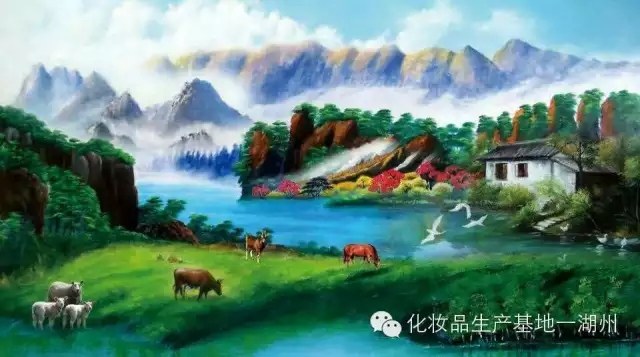
"Egrets are flying freely in front of Xisai Mountain, peach blossoms are in full bloom on the river bank, spring water is rising, and Mandarin fish are fat and beautiful in the water. The fisherman, wearing green hats and a straw raincoat, braves the slanting wind and drizzle, happily fishing without having to go home..."
In the ninth month of the seventh year of the Dali era (772), Yan Zhenqing was appointed as the assassins of Huzhou, and took office the following year. It was late spring, when the peach blossoms were rising and the Mandarin fish were beautiful, and they improvised a harmony.
The egret mentioned in the lyric is the kind of water bird that people usually call heron. From a distance, it looks a bit like a white crane, with extraordinarily long legs and neck, making it easy to find food in the water. "The egret flies in front of Xisai Mountain, the peach blossom and flowing water are so rich with Mandarin fish. The most unbearable thing is the leisurely life of a fisherman, which makes people long for it.
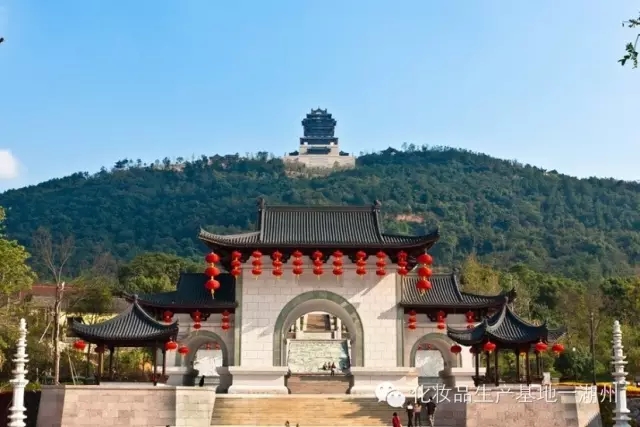
From a height and a distance, one can see the valley....
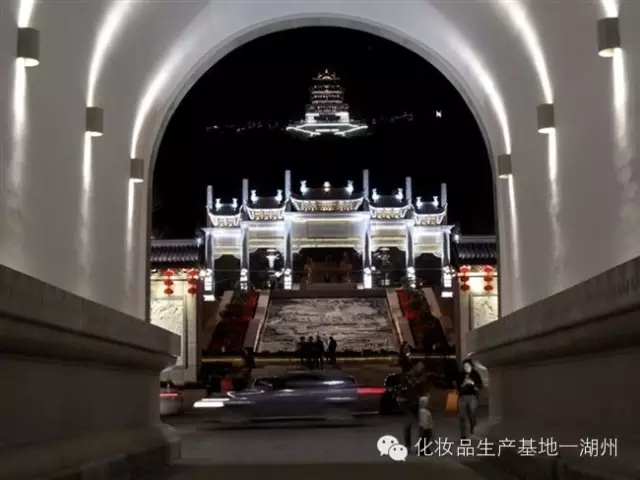
Before you enter the city, you'll look up and see the imposing Renhuangge standing on top of a hill.
On the eve of the founding of the Ming Dynasty, Zhu Yuanzhang's troops were in confrontation with another army of rebels led by Zhang Shicheng on the southern shore of Taihu Lake. It is said that one day, Zhu Yuanzhang, accompanied by his military counselor Liu Bo Wen, climbed up this mountain and overlooked the situation of Huzhou City, which was guarded by Zhang's troops.
This story has been passed down for more than 600 years, and is still the talk of teahouses and restaurants today.
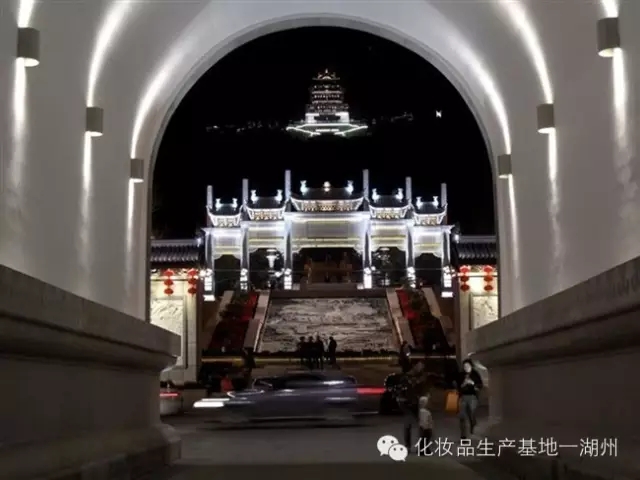
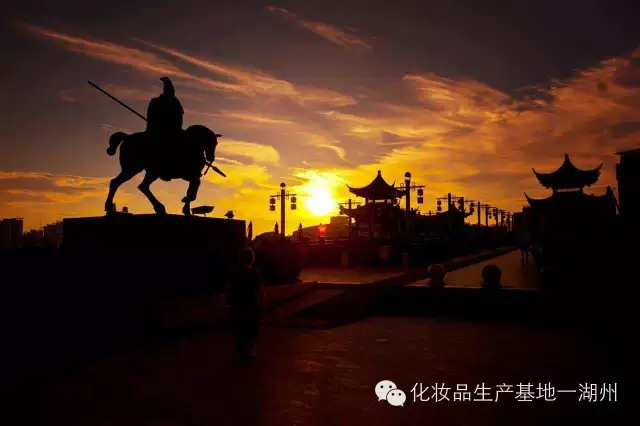
To this day, Xiang Yu is still in my thoughts and refuses to cross the East River....
Up on the 25th floor of the financial center of northern Zhejiang, overlooking the northeast direction, riding a large horse is preparing to charge the West Chu hegemon sculpture standing firm in the river.
Here, was Xiang Yu led three thousand soldiers to go to war. Although the king who experienced the honor and disgrace of life and death was "ashamed to see his father and father of Jiangdong", this land still remembers his heroic feelings. More than two thousand years have passed, and the ancient city is still clinging to its initial shape in the embrace of Longxi Harbor, which is formed by the confluence of east and west Ipomoea waters, and seems to be remembering this period of dust and smoke of the past.
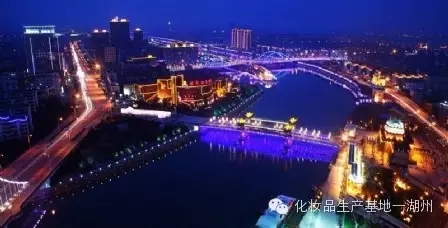
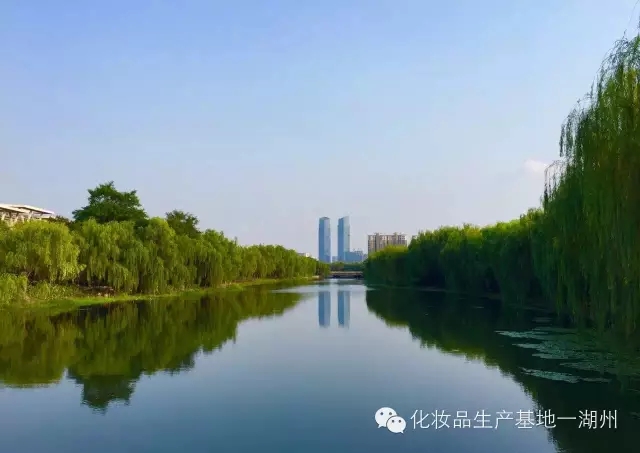
“The north face of the mountain peaks, the west face of the mountains, the dragon and the beast dance, the clouds and the haze rise... The two streams are sandwiched by streams, with a few hundred miles of tianmu... They run through the city, dazzling in the various abutments, and are noted outside the city... (Wu Xing Fu by Zhao Mengfu) "When you are fortunate enough to have a bird's-eye view of the city of Huzhou from above, or when you open up a topographical map and take a closer look at the city, you will be struck by the wonderful descriptions of the ancient city's landscape scenery in Wu Xing Fu by Zhao Mengfu, and you will be able to feel a deep resonance in your heart, sighing, "After traveling all over Jiangnan, one can only live in Huzhou".

浙公网安备 33050202000707号
Legal Notices丨Regulations丨 Previous
